Imagine you are in an iPhone store, going to buy the iPhone 17 Pro Max, the latest version, and captivated by its cutting-edge features. However, the budget is, of course, beyond what you had planned. But the manager offers you an easy EMI option to pay the whole bill in 12 equal installments at zero interest. How is it sounding now?
You have just experienced an embedded finance in action.
What Is Embedded Finance?
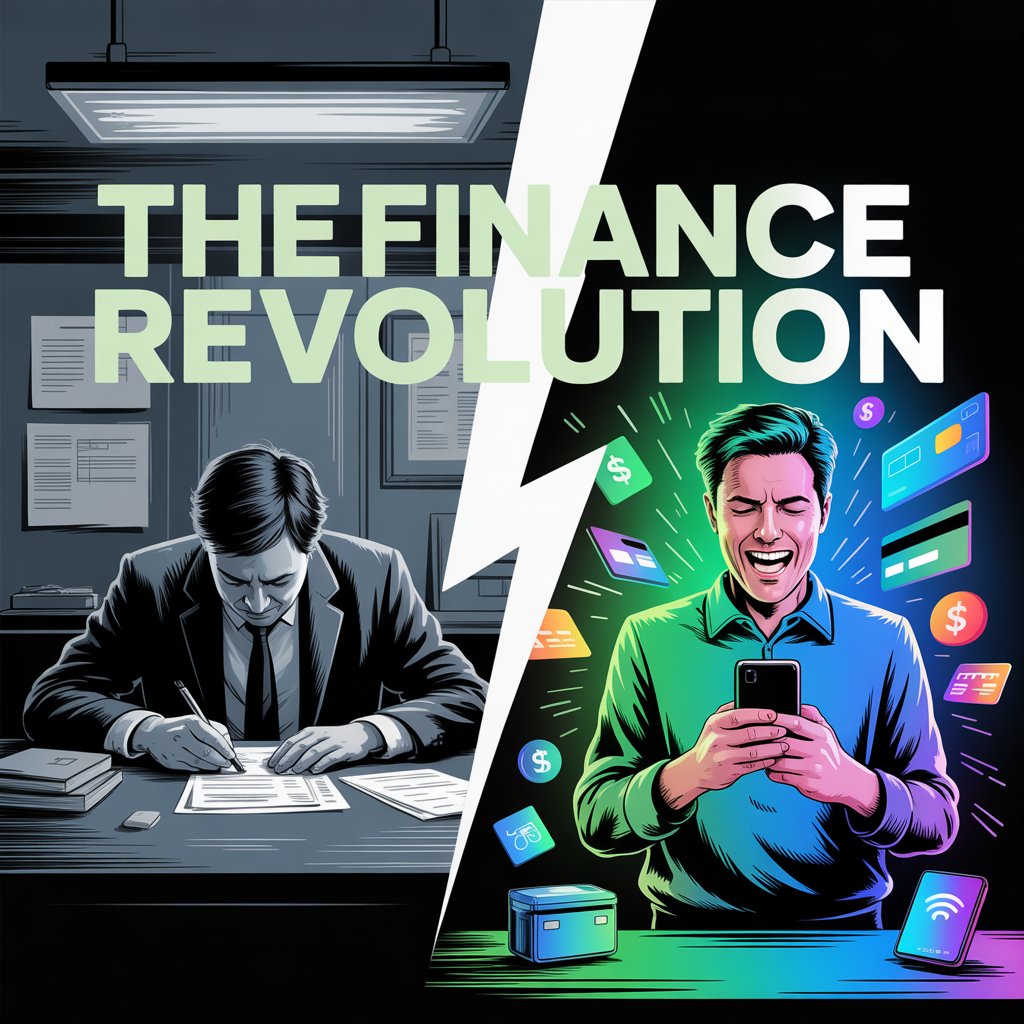
Gone are the days when you needed a loan, you would nicely dress up, visit a bank, fill out the form, and wait for the approval for the amount to be credited into your account, even for a marginal amount. In the current scenario, do you want to purchase sneakers or electronic gadgets, or planning a family holiday? You are just a few clicks away from accessing finances from your Bank. This is what embedded finance is.
Embedded finance delivers financial services at the time of exigency, powered by APIs and data from non-financial platforms like e-commerce or accounting apps. For example, think of Flipkart’s EMI options or Paytm’s instant loans, which have been successfully integrated into shopping flows for the ease of their users.
Why does embedded lending matter these days?
Let’s first focus only on the lending part. Have you heard about companies like Klarna, Afterpay, and Affirm that have introduced the concept of “Buy Now, Pay Later”? Nevertheless, the concept of embedded lending goes beyond splitting your purchases into 6 or 12 equal instalments; it works for businesses too.
Imagine you are a business owner running a small grocery store using QuickBooks for everyday accounting purposes. To ensure smooth operating expenses of your business, based on your QuickBooks, your bank is offering you an instant amount of Rs.5.00 Lakhs. You click accept, provide your bank details, and within a day or two, the money arrives directly in your business account through an electronic transfer. No bank visits, no paperwork, no waiting weeks for approval, just an offer that appears right where you are already working.
Building on that convenience, everything feels like one fluid experience.
How Does This Actually Work?
Once you click on “Pay in Instalments” at checkout, magic happens behind the scenes:
- First, you will need to choose a payment plan.
- Users can immediately connect with a lender on the platform, and it is driven by APIs (e.g., in India, Razorpay).
- The lender judges only a few simple details like sales record, bank relationships or even UPI transaction history, and makes a decision within seconds.
- You get an approval that has definite monthly payments.
- As soon as you accept and make a purchase, the store receives its amount.
- You repay the lender in monthly instalments via auto-debits from your account.
That’s it. What used to take a week now takes thirty seconds.
Why People Love This
BNPL is becoming widely recognised these days because of the following reasons:
It feels effortless as you don’t need to open a new browser tab, remember passwords, or hunt for paperwork. Everything happens right where you are.
Decisions are quick. Traditional loans include a time-consuming documentation process and long waits. With embedded lending, you know in seconds whether your application is approved.
It democratizes access: Services often use data such as the last 3 months’ transaction history, apart from credit scores. These help users, especially young individuals or those with almost negligible credit history. In India, the count of this category is 190 million.
No hidden attack: The terms are right there, upfront. You know exactly what each payment will be before you commit.
Why Businesses Are All In
More people complete their purchases. Affirm reports a 20-30% sales have gone up for BNPL partners. Indian retailer Myntra saw similar jumps post-EMI integration.
People spend more. That Rs.1 lakh iPhone feels expensive as a lump sum, but split it into 12 monthly payments with no interest, and it becomes Rs.8,300 a month. Much easier to justify. Customers who would normally hesitate start saying yes to premium purchases as well.
Extra income. Businesses charge their lending partners for conversion into personal loans instead of full payment by customers. This turns their checkout page into another revenue source.
But Here’s Where It Gets Tricky
For Everyday Shoppers
It’s easy to lose track. When approvals are instant, and payments feel small, you can quickly find yourself juggling multiple payment plans. For example, Rs.8300 for an iPhone and Rs.4500 for a two-wheeler loan. This way, monthly deductions add up faster than you think.
Miss a payment? Penalties hurt. Some services will charge you interest retroactively, meaning that a “interest-free” loan suddenly is not. It might affect your credit score as well, though it was not checked at the time of approval.
Your information travels wide. Every purchase, every approval, every payment creates data about you. Who sees that data? How is it used? These are not always easy to answer.
Read the fine print. “Interest-free” usually comes with asterisks. Sometimes there are conditions that only show up when something goes wrong.
For Business Owners
You are depending on someone else. If your payment partner has technical problems, changes their terms, or goes out of business, your sales could take a hit.
Rules get complicated. Financial services are heavily regulated. When you offer financing, even through a partner, you need to make sure rules are followed at each step across different states or countries where the purchase is happening.
When things go wrong, customers blame you. If there’s a problem with their loan or payment, customers will contact you as the first point of contact, even though you are not the one handling the transactions.
Security matters more than ever. When your store connects to financial services, there are more ways for hackers to cause trouble. One breach could expose both shopping and financial information.
For the Companies Providing Loans
Regulators are watching. Government agencies are paying closer attention to embedded lending, particularly “buy now, pay later” services. Rules are tightening around responsible lending and consumer protection.
All your eggs in one basket. If you are lending primarily through one type of business or platform, problems in that industry become your problems.
Technology holds everything together. When systems go down or connections fail, business stops. There is no paper backup system.
Real Stories from Real Companies
Let’s look at some examples of companies that are actually providing embedded finance facilities to their customers, surpassing traditional lending facilities:
- Amazon has lent over $800 million to small and medium-sized businesses. Based on the seller’s sales performance data, the company offers loans. How does it work? Loan repayments come straight out of future sales, so if business slows down one month, payments automatically adjust. An example of data-driven decisions that help sellers stock inventory and grow their businesses.
- Shopify Capital has funded over $4.7 billion to merchants since launching in 2016. This facility offers funding based on store performance and not personal credit scores. This helps small entrepreneurs and solo-preneurs who might not be eligible for traditional bank loans to access funds for their day-to-day operational expenses without any tedious documentation process. Shopify processes payments and sees sales patterns daily. This helps them to make informed lending decisions.
- Klarna generated approximately $2.8 billion in revenue, making it one of the highest-earning BNPL providers globally, a Swedish fintech which integrates Buy Now, Pay Later (BNPL) financing into e-commerce and in-store checkout workflows of merchants. This allows a customer to pay in instalments and interest-free payments or postpone payments without dropping out of the line of shopping.
Global Adoption and Market Context
Embedded finance adoption is different across markets. As of 2024, 93 million consumers used Klarna, out of which 65 million are using the mobile app. The United States has seen a huge growth with Affirm, PayPal Pay in 4, and traditional players entering the space.
Developing countries like India, Brazil, and Southeast Asia have observed rapid adoption mainly by large unbanked populations. However, regulations vary in different countries. For instance, the European Union maintains stricter consumer protection rules under frameworks like PSD2, while the US market has more varied state-level regulations, while the US market has more varied state-level regulations.
How to Stay Smart About It
This shift toward embedded finance is not going away. It is becoming how we handle money. Whether you are shopping online or running a business, here is how to navigate it well:
● Always read what you are agreeing to before clicking that approval button.
● Keep a list of all your payment plans in one place so you don’t lose track.
● Compare your options because embedded financing is not always the cheapest choice.
● Think about your information and who’s collecting it when convenience feels too good to be true.
● Stick with companies you trust that are transparent about their terms and properly licensed.
The real revolution is not just about easier access to credit. It’s about making financial services so seamless into our shopping and business operations that we barely notice them. This convenience reshapes how we spend, how businesses sell, and how we think about money itself.
References:
- https://www.affirm.com/business/blog/affirm-bnpl-increase-ecommerce-conversion
- https://press.aboutamazon.com/2021/9/amazon-and-lendistry-launch-amazon-community-lending-pilot-program-to-fuel-growth-for-small-and-medium-sized-businesses
- https://www.shopify.com/news/shopify-announces-fourth-quarter-and-full-year-2022-financial-results
- https://www.businessofapps.com/data/buy-now-pay-later-app-market/
- https://www.businessofapps.com/data/klarna-statistics/#:~:text=Klarna%20Users%0A%0A93%20million%20consumers%20used%20Klarna%20in,65%20million%20using%20the%20Klarna%20mobile%20app.
- https://www.businesswire.com/news/home/20251126736656/en/United-States-Buy-Now-Pay-Later-Business-and-Investment-Report-2025-2030-Affirm-Afterpay-Klarna-PayPal-Apple-Pay-Dominates-Amid-Expanding-Bank-Backed-Installment-Programs—ResearchAndMarkets.com
- https://ec.europa.eu/commission/presscorner/detail/cs/qanda_23_3544
 Sundhara
Leave a comment