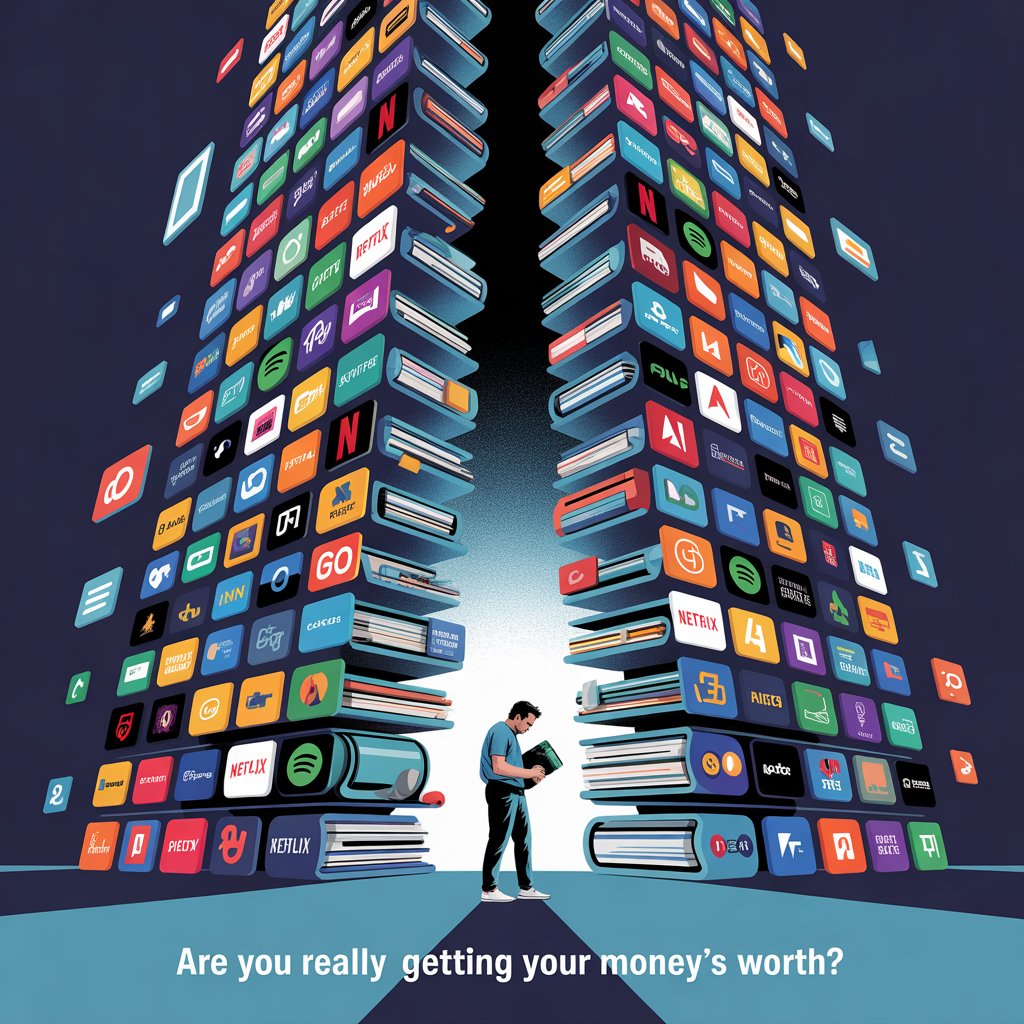
Just a few days back, Sarah was shocked to see her credit card statement. Subscription renewal charges for Netflix, Spotify, Adobe Creative Suite, cloud storage, and a meditation app were deducted from her credit card. She could not immediately recollect what these charges were all about. The whopping amount of USD 247 hit her harder than expected.
Sarah’s story is not exceptional. Consumers around the world are finding that the ease of subscribing and forgetting has become subscribing and regretting. For instance, the Federal Trade Commission (FTC) had targeted “Dark Patterns” against Amazon for manipulating users in Amazon Prime without their consent. Not only this, but it had also made it complicated for subscribers to cancel the subscription.
(Sarah is a composite character based on common consumer experiences reported in subscription studies.)
The Promise That Became a Problem
For the subscription economy, once upon a time, simplicity was a virtue. With a modest subscription fee, receiving unending utility, avoiding the process of ownership, no upfront fee, and freedom to cancel anytime sounded perfect.
But somewhere between 2020 and today, this virtue is now diminishing. During the lockdown, many brands ensured that customers continued to get entertainment. Hence, what started as genuine innovation, like Netflix replacing traditional blockbusters or Spotify changing how we listen to music, has gradually turned into a race to hold customers. No matter whether they actually wanted to continue with a subscription model or not, this has become a trend.
To understand this point, we can look into the BMW controversy.
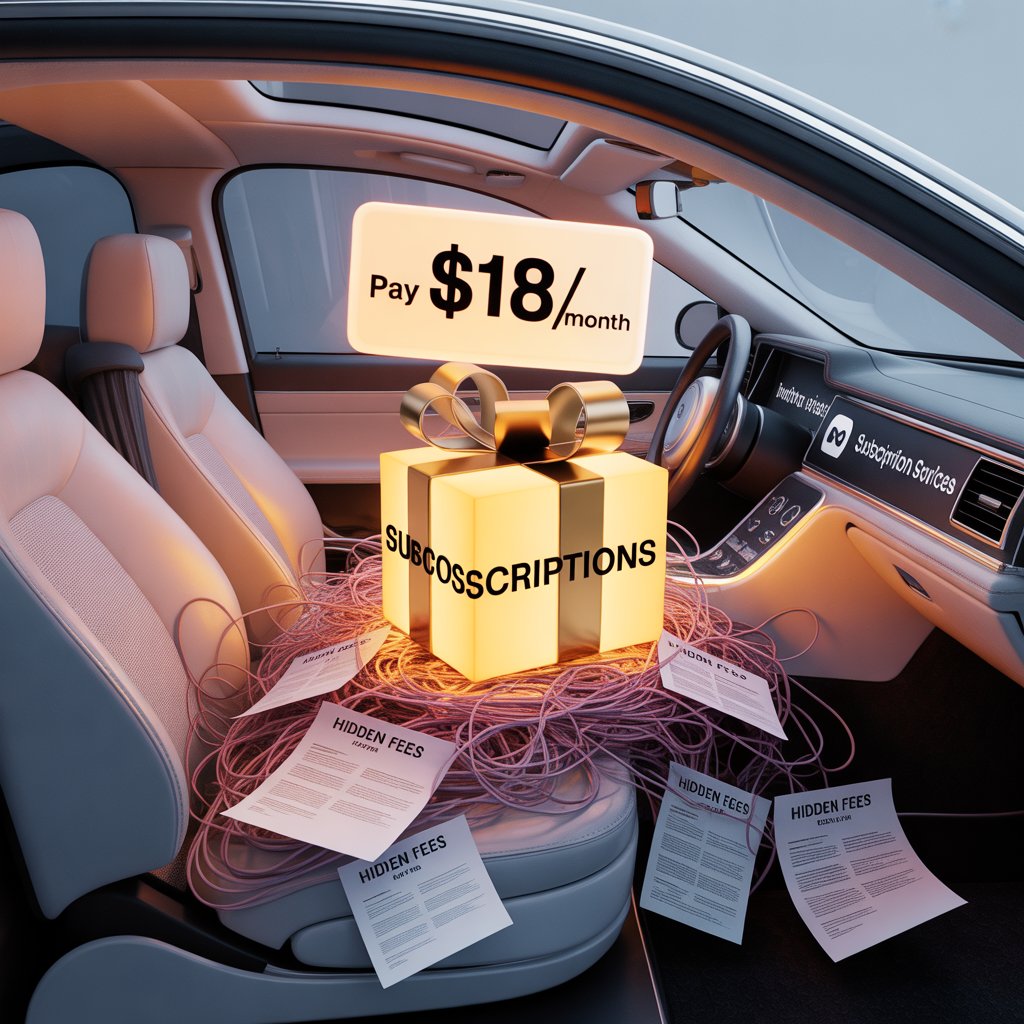
BMW introduced a Heated Seats Subscriptions where consumers had to buy USD 18 per month to access the premium features. However, due to a major backlash received from the consumers regarding the offer, the company had to reverse its decision.
The core question is not whether subscriptions are good or bad. It is all about are companies using subscriptions to deliver more value, or just to extract more money?
How We Got Here – The Subscription Explosion
This concept of subscription is not new. Do you remember, our grandparents and parents had subscribed to a daily newspaper, Cable TV on a monthly billing for decades? Nevertheless, the digital transformation changed everything, especially following the COVID-19 lockdowns.
The adoption of the subscription model rose sharply between 2020 and 2021, when people were stuck at home and started spending more time online.
- Streaming services saw massive growth as entertainment moved digital.
- Remote work tools like Zoom and Slack became essential overnight to continue professional commitments.
- E-commerce subscriptions for groceries, vegetables, dairy products, and other household items filled the gap left by restricted shopping.
A study conducted by Zuora as part of its 2022 Subscription Economy Index found that subscription firms have far outpaced their traditional peers, with an increase in growth compared to companies in S&P 500 in the same timeframe. The appeal was clear: businesses could count on steady income streams and improve financial forecasting by retaining customers for a longer time.
So who faced the problem? The answer is simple: consumers. Once a concept has started showing income growth in one business, every other business across industries rushes to “subscriptionize” their offerings without even contemplating whether it really makes sense for customers and their pockets.
When Ideas Backfire
Not everything needs to be subscribed to. Yet businesses have applied this model to products and services that worked perfectly fine as one-time purchases:
- Toothbrush subscriptions are available because, apparently, it is difficult to remember to buy toothbrushes.
- Meditation apps with basic mindfulness techniques locked behind monthly paywalls.
- Photo editing software that was once a single purchase now costs hundreds annually.
- Many apps now exploit viral trends by charging for AI-powered aging filters and photo transformations through subscription models, turning what was once simple photo editing into recurring monthly fees.
This oversaturation creates three major problems:
Subscription Fatigue: People struggle to keep track of their recurring payments. Recent data shows the average consumer had 8.2 subscriptions in 2024, spending around $118 monthly or $1,416 annually on subscriptions. Another research reveals that about 74% of consumers reported that they are unable to recall their recurring monthly subscription service charges.
Economic Pressure: As inflation rises, consumers are scrutinizing every monthly charge. Financial journals have documented mass cancellation events, where stressed consumers eliminate multiple services simultaneously.
False Value: By presenting features in a tiered system, with only the most advanced versions containing most of what users actually want, many services require users to pay more but provide less practical value.
Trick In The Name of Subscriptions
Before signing up for something, go through every detail diligently mentioned on the website and check your actual requirements. Because today’s subscription landscape feels designed to trick customers rather than to serve.
These tactics are common as well as frustrating:
- Free trials that require credit card details and auto-convert to paid plans.
- Confirmation emails often end up in spam folders or are written in confusing legal language.
- Cancellation processes that require phone calls, multiple pages, or waiting periods.
- Refund policies that favour the company over customer satisfaction include the deduction of processing fees or other hidden costs.
These strategies can not be considered accidental. They are designed to generate more revenue, often by exploiting customer confusion and inconvenience.
Company Moves, Consumer Reactions
Several well-known brands have faced extreme counter-reactions from the consumers for overusing subscription-based pricing:
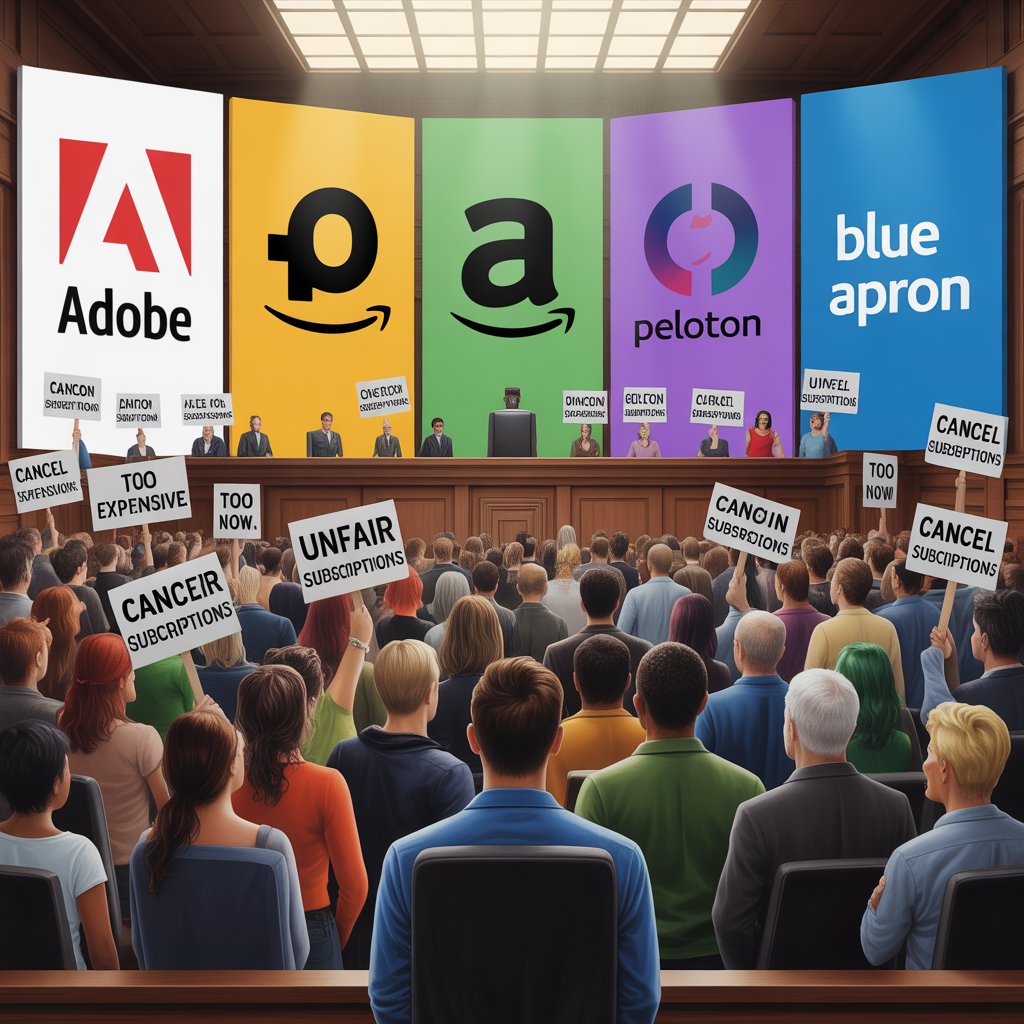
Adobe has faced massive backlash for transitioning from one-time software purchases to mandatory subscriptions. The company has close to 33 million paying subscribers to its Creative Cloud suite, representing an estimated 80% market share in creative software. However, this dominance has not prevented ongoing criticism from professionals who feel “cornered into subscriptions they have lost control over.” Several users have expressed disappointment for replacing permanent software ownership with the monthly cloud-based subscription model.
Amazon’s Audible had encountered significant legal challenges regarding its renewal practices and refund policies. As a result, the company faced court-mandated distributions of millions of free audiobooks to provide compensation to affected users.
Peloton had also faced rising concerns from customers about paying monthly fees after purchasing expensive equipment. The company experienced a major decrease in income and subsequently in its stock price due to subscription cancellations, ultimately resulting in massive layoffs.
Blue Apron and similar meal kit services experienced massive churn rates upwards of 70% as customers realized the convenience premium wasn’t worth the cost compared to regular grocery shopping. Research shows 90% of customers for leading meal-kit brands abandoned their membership within a year.
Social media reflects growing consumer frustration. Study says that Subscription fatigue is a real issue that has become a recognized consumer phenomenon, with research showing Americans are managing an average of 5 subscription accounts.
The message is clear: Consumers across the globe are fighting back against this model.
Building Better Subscriptions
But let me tell you one truth as well, that not all subscriptions are predatory. Some genuinely improve customer experience and deliver consistent value. The difference lies in intention and execution.
Spotify succeeds because it provides clear value. Access to millions of songs for less than the cost of one album per month at an affordable rate. It has made the cancellation process smooth and easy.
Notion built loyalty by offering robust free tiers and transparent upgrade paths. Users choose to pay for advanced features, rather than being forced into subscriptions for basic functionality.
YouTube Premium provides tangible benefits such as ad-free viewing, background play, and offline downloads, which users can evaluate against the monthly cost. The service also offers cost-effective family plans at $22.99 monthly for up to six users, providing better value than individual subscriptions.
Companies that are interested in building sustainable subscription businesses should focus on:
Transparent Value: Every dollar customers pay should deliver identifiable benefits. If you can not explain why your service needs ongoing payments, it probably does not.
Ethical Design: Make signup and cancellation equally easy. Send clear renewal notifications and offer prorated refunds. Treat customers like partners, not revenue sources.
Flexible Control: Provide users with dashboards showing all their subscriptions, usage statistics, and easy management tools. Let people pause subscriptions instead of forcing full cancellations.
Besides that, governmental agencies should introduce more rigorous disclosure and consumer protection, such as the EU’s Digital Services Act. The Reserve Bank of India’s auto-debit guidelines implemented in October 2021, disturbed subscription services. According to which, a company is required to send a notification and OTP authentication before 24 hours if the transaction amount is above Rs.5,000.
Moving Ahead
The subscription economy is not condemned, but it needs reform. When profit takes precedence over purpose, the business model inevitably becomes unsustainable.
Consumers have now become more mindful and diligent to avail subscription facilities by setting calendar reminders for trial expirations. They are also actively exploring alternatives to minimize subscription-heavy services.
Therefore, going forward, the companies will survive in the cut-throat competition only when they keep in mind that while designing a plan, it should make customers’ lives better. They must stop asking “How can we make this a subscription?” and start asking “How can we deliver ongoing value that customers gladly pay for monthly?”
And consumers have more power than they realize. Support companies that respect their time and money. Cancel services that don’t deliver clear value.
The future of the subscription economy depends on returning to its original promise – a virtue of simplicity.
References:
- https://www.ftc.gov/news-events/news/press-releases/2023/06/ftc-takes-action-against-amazon-enrolling-consumers-amazon-prime-without-consent-sabotaging-their.
- https://www.bmwofyork.com/blog/2023/january/7/everything-you-need-to-know-about-bmw-heated-seats-subscription.htm#:~:text=The%20subscription%20model%20gives%20customers,on%20the%20upgrade%20or%20subscription.
- https://www.zuora.com/resource/subscription-economy-index/.
- https://www.businesswire.com/news/home/20221012005191/en/Zuora-Subscription-Economy-Index-Shows-Enduring-Power-of-Subscription-Businesses-Amid-Economic-Uncertainty.
- https://www.fotor.com/blog/aging-app/.
- https://whop.com/blog/subscription-statistics/.
- https://www.crresearch.com/blog/subscription-service-statistics-and-costs/.
- https://digitalmarketreports.com/news/37044/adobe-faces-backlash-over-controversial-faq-changes-and-subscription-practices/.
- https://www.makeuseof.com/why-dont-recommend-getting-adobe-creative-cloud/.
- https://digital-strategy.ec.europa.eu/en/policies/digital-services-act-package.
- https://www.westmonroe.com/press-releases/americans-are-spending-more-on-subscriptions-and-are-less-aware-of-spending.
- https://www.westmonroe.com/press-releases/americans-are-spending-more-on-subscriptions-and-are-less-aware-of-spending.
- https://razorpay.com/blog/new-rbi-rules-for-processing-auto-debits-on-cards-all-you-need-to-know-as-a-business-and-cardholder/.
 Sundhara
Leave a comment